一个坚强的人

这是一个真正的男人,用自己的信念,打败了所有的挫折!
人,应该勇敢的活下去,任何事情一定会有希望。

发信人: Chuxueche (Ren), 信区: Family

标  题: 这不堪回首的8年
发信站: BBS 未名空间站 (Sun Apr 27 01:56:11 2014, 美东)


八年前的这个季节,从国内来到美国。来美前,博士毕业后在一研究所工作了近5年。
期间主持完成了自己的第一个NSFC课题。由于不喜欢那里的小环境,离开那里后到西北
一大学工作。幸运的是,在那里又拿到了第二个NSFC课题,加上省部和学校的资助,支
起了还算小有起色的一摊子。虽然那的科研条件比原单位差一些,但一个人在那干了近
三年的时间,教书、带研究生、作科研,每天忙碌着,干着自己愿意干的事,少了原单
位的勾心斗角,而且在学生面前第一次觉得自己还是个有用之人,所以也很快乐。无奈
的是,老婆不喜欢那个地方,不肯搬过去。那时,老婆家人从一个朋友处得知美国这边
一大学实验室想找一个人。她觉得如果到美国比到中国的西北好多了,所以热情很高,
极力动员我试一试。但我当时干得还比较开心,加上要过来接那工作等于转了一个完全
不熟习的新领域,所以也没多大兴趣。但在老婆的坚持下,本想投个CV应付一下完事,
心想老板也不会对我这个不同领域的人感兴趣。可命运就是这样捉弄人,老板却很快给
了offer,并答应办H1签证和提供旅行费用。她自然是喜出望外。就这样已经38岁的我
离开了国内那一摊子来到这里又做了postdoc。这一离开彻底改变了自己的一生。不是
因为工作的变故,而是由于女儿的降生。

来美第二年,女儿来到人间。这对于已结婚多年的我们本应是一件特别让人高兴的事,
不料却成了我心碎历程的开始。由于Medical malpractice,女儿出生后立即住进了NICU
。随后出现的一系列问题,NICU的医生告诉我们她们不能确定孩子能不能活下来, but
very possible, she could never stand up, never talk。这一论断无疑是晴天霹雳
,将我们对女儿的期望和憧憬瞬间击的粉碎。老婆受不了这个打击,人也垮了。奇迹的
是,女儿在NICU住了近两个月后,状态趋于稳定,医生说再观察一段时间可以考虑适当
时候出院。可就在这期间在孩子去向问题上,我和老婆发生了根本分歧。当时老婆持H4
在家,在这里经常接触的在美国已经多年的唯一朋友,在医生告诉我们孩子可能的将来
后,开始极力劝说我们放弃这个孩子。他认为第一代移民立足本来就不易,我们刚过来
,如果我们要把女儿抱回来,无疑是在自取灭亡,自毁他所谓的美国梦。而且正如他的
原话所说,他认为这个孩子已经这样了,只要给她吃饱穿暖就可以了,今后她什么也不
会知道,所以谁养她都一样。且力劝我们不要给孩子投入任何感情,尽快将她忘掉开始
新生活。还说美国人如何好,说不准有谁把她领养了,比跟着我们好多了。让我心痛的
是,老婆在她那位朋友的执着劝说下从了他的意见。看过一些报道说,说人在遇到
Shock后的第一个反应是逃避。说实话,我也想过。可是冷静下来想一想,无论那朋友
说什么,这毕竟是自己的孩子,是一human being,不是一个物件,有缺陷了就扔了?在
那个朋友看来,这个孩子只要给他吃饱穿暧谁养她都一样,她什么也不知道(每每听到
这样的话,我的心都被深深刺痛),所以不值得再付出。他也找我谈过。我告诉他,即
使孩子什么也不知道,对于孩子来说可能谁养她都一样,但对于我来说不同。我不敢说
孩子跟我在一起是最好的,但有一点我可以保证,我会尽我的最大努力。至少我还不相
信这世上还有人对她的感情超过她的父母。如果真有人把她领养了,且不论别人为什么
领养她,但一个与她没有任何关系的人家都能养她,她的亲生父亲为什么就不能养她?
人活这辈子为了什么,如果连自己的亲生孩子都不要了,去实现那所谓的美国梦又有什
么意义?当时想到以前看过的孩子被养父母虐待的报道,也想了很多。如果这孩子不在
身边,还是个女孩子,那天如果知道她被人家虐待了,自己还有活下去的勇气吗?把孩
子抱回来,无非就是为自己增加些负担,影响了所谓的事业 和那个所谓的美国梦。即
使没有这个孩子的负担,你又能怎样?进一万步讲,就算专业上还能作出点成绩,自己
还会因为那点成绩高兴得起来吗?对于孩子来说,我坚信她的生活中有没有我会有质的
不同。我坚信她在有爱的自己家里长大,比呆在其它任何地方都会好。而且认真的想过
,如果真按那朋友所说放弃了这个孩子,真的没有任何勇气再开始他所谓的新生活,这
种自责和牵挂会折磨我的一生。我想,假如那天知道自己就要死了,在闭眼离开这个世
界前第一件不能原谅自己的就是我在自己的女儿面前当了逃兵,而且是因为她有了连她
自己也不知道更不能选择的生理缺限她的亲生父亲抛弃了她,我一生都不会原谅自己。
她既然这样来到这个世上,就有权力生活下去。我作为父亲有义务和责任为她的生活创
造条件,我不能在未作出任何努力之前自己先放弃,更不能让面世就遭遇不幸的女儿再
失去家的温暖和父爱。也许将来她的生活在其它人看来并不完美,但是如果她觉得快乐
,这种生活对她来说就有意义,我作为父亲就应该而且愿意为她付出。所以我坚持把她
抱回来。我从小在农村长大,生活虽然艰苦,甚至小时候家里有时还缺衣少粮,但从不
缺少爱。女儿出事,是我失去父亲后经历的又一次心碎。当时身在异乡的我,在最孤单
无助的时候很想给妈妈说说,但担心已经上了年纪的母亲受不了这个打击,至今还瞒着
她。当时给姐姐打电话,姐姐说怎样能不要她了,怎么着也要把孩子抱回来呀,你要觉
得实在养不了她,你把她弄回来,我给你养着。姐姐朴实的一句话让我感动得热泪盈眶
,也给了我巨大的支持。

由于两人意见相左,家里没有人能够过来帮忙,而且当时我一个人带她确实也没有准备
好。如果带回国,医疗和康复等服务也是一个非常实际的问题。无奈在女儿身体状况都
稳定后,在social worker介入、帮助下,不得不选择先将女儿暂时寄养在一个美国家
庭里。记得那一天,我不得已在社工提供的那张纸上签字,当颤抖的手笔签下去时当着
社工的面再也无法控制自己的情绪,将自己关在一间房子里大哭了一场。看到别人家的
孩子被家人高高兴兴地从医院接回家,而我的女儿却被一个完全陌生的人接走的那一刻
,心都碎了。那一天,在我的哀求下,寄养母亲同意我跟在她的车后面,到她家看了看
女儿的第一个“家”。从那一天开始,只有两个月大的女儿开始了她的寄养生活。

她妈从了朋友的意见,从此再不主动去看孩子。我征得寄养家庭的同意,每周末都去看
女儿,平时只要时间和寄养家庭允许我就去看她,给她喂奶,换diaper、洗澡、陪她说
话。每当和女儿单独在一起时,将女儿抱在怀里,泪水都止不注。心想,我是这个世上
最无用的爸爸,使女儿连家都不能回。记得有一次去看女儿,由于感冒,女儿在小床上
哭得嗓子都哑了,可寄养妈妈正在给家人准备晚饭,也无暇照顾她。当我抱起女儿她很
快停止哭啼的那一刻,我知道什么是心如刀搅。那段时间,不知道度过了多少不眠之夜
,对女儿的牵挂让我寝食难安。白天在实验室工作也常常走神。有一次跑PAGE,明明记
得加了分子量Marker,怎么也看不见带,检查后才发现上样时错加了核酸的Marker。4个
多月过去,两个人仍然不能达成一致。眼看着孩子一天天长大,觉得正是应该多给她各
种刺激,尽可能发挥她各方面发育潜力的时候,真的不能再等了。另外,照看她的这家
人两个月后要去加拿大,不能带女儿走,因此社工也找我们谈,请我们尽快拿主意,如
果放弃她,他们立即就启动领养程序。那只是启动这个程序,有没有人或什么时候有人
领养都是未知数,但在这家人去加拿大这段时间找不到领养家庭的话,社工还得给她找
另一个人家寄养。我不能再让这个可怜的孩子6个月大了还在外边这样飘着回不了家。
所以,我下定决心,开始给社工谈,无论她妈最后作出任何决定,我决不放弃这个孩子
,我一个人带她,我也一定要把她抱回来。我开始作孩子回家的准备。这时候,她妈的
朋友来又找我谈,说如果她妈不接受这个孩子的话,我坚持把她抱回来,这样对她妈一
辈子不公平。我说我不想把这种不公平加给任何人,她如果真不能接受,可以选择退出
。的确,由于这个孩子不正常了,她会需要更多的付出更多的爱,今后还会有更多的困
难,如果没有接受或有充分的心理准备的话,今后就更没有勇气和信心去面对。每个人
的心理承受能力不同,她妈也可以有自己的选择和人生追求,我不要求她和我想的一 
样,所以她无论作出任何选择都可以理解,我还是那句她妈问过我无数次的话,我不会
因为她的选择和我不同而怨恨任何人。无论今后面对多大的困难,经历多少艰辛,我都
可以自己承受,我对我自己的选择无怨无悔,因为这是我的女儿。我拟了一份离婚协议
,把我们当时仅有的那点钱分成三份,希望一份给孩子留下,另外两份让她妈带走,请
她签字回国。我不知道是她那朋友的主意还是真就那样想的,当时说了一句“我不想回
去了,你得把身份给我办下来,对我有一个交待”,突然让我感觉如此地陌生。是呀,
都想要一个交待,可谁想过要给女儿一个交待?在我的坚持下,女儿在寄养家庭呆了6
个月后终于回到了自己的家。

人有时会不可避免地要犯错误,但是无论什么原因,每个人都应当为自己所犯的错误负
责。女儿出事后,我一开始找patient representative,等了几个月没有任何回复,一
直说在调查,我意识到patient representative最终可能也不会有什么说法。在把女儿
抱回家后,一方面开始为照顾她想办法,另一方面着手找律师,开始了一场为女儿讨说
法的长达4年之久的民事诉讼。在一边照顾女儿,还要尽量保住工作的前提下,四年诉
讼经历的酸苦真不知道用什么言语形容。

女儿回家后,由于妈妈心理和身体两方面的原因,大多数日子不能或不愿意照顾孩子。
白天不得不先找一个Daycare。那么小的女儿送Daycare时不时就生病,生病后几天就又
不能送了。一生病住院,由于妈妈的语言障碍和其它原因,我不得不白天晚上都在医院
陪着女儿。加上女儿每周至少一两次的各种medical appointments我都得自己去,所以
不知道请过多少假。幸运的是老板是个super nice的人,总是表示理解和支持,而且问
我需不需要帮助。我从内心十分感激这个老板,要不是他的支持我根本没有办法活下来
。孩子回家后两个人也因为孩子的事不断有矛盾。记得一日凌晨两点左右,我听到女儿
在哭,开灯一看女儿吐得脸上,头发里床单上都是呕吐物,我赶紧把她抱到浴室给她洗
。我把她妈从另一屋里喊起来,让她帮忙收拾一下女儿的小床,她过来把床单卷了卷就
往laundry筐里一扔完事。我说怎么能就这样,好歹也得先用水冲一下吧,要不把别的
衣服都弄脏了?她却因为我说话的态度不好,门一甩走了。我给女儿洗完换完衣服给她
喝了点水她很快又吐出来,而且吐到没有东西出来了还在不断作吐的动作,我一看不得
不去ER了。当我用毯子裹着女儿从房子出来一看顿时无语,车被她妈开走了。无奈只好
回到屋里打911。当时一个人在救护车里抱着不断呕吐的女儿,看着两个救护员的异样
眼神,心里真不知道是什么滋味。到ER护士首先给了止吐药,然后就是抱着女儿在那等
。不知道过了多久终于有医生出来处理,诊断是stomach flu。吐止住了后女儿也开始
喝juice,我的心才慢慢放下。等到一切都处理完,天已经大亮,正准备给我一有孩子
的同事打电话求助接我们回家时,她妈可能在外面转了一圈回到家里看我们不在,找过
来了。我真觉得无话可说,说了句你真行,孩子这样了还把车开走。人家回答的一句话
又顿时让我无语,说不知道小孩生病了。

后来在early intervention staff和社工的帮助下,在离我们40分钟车程的地方找到一
个可以接收特殊婴儿的respite center。我先给人家联系,可被告知没有opening。不
甘心又带着女儿找到那的owner,说明我们的特殊情况。非常感激她们为女儿offer了首
先一周一天,后来在有其它孩子毕业后逐渐增加到每周两、三天。女儿在那也得到了很
好的照顾。就是几乎每天都要我接送。后来她妈由于抑郁不得不住院一段时间,出院后
由于孩子外公病重、她妈又回国处理直到他去世,又赶上在国内过春节。在前后4个多
月的时间里,我不得不一个人带着女儿还得keep postdoc的工作。每天早上起床把女儿
喂好、换好衣服,带好换洗衣服和备用Diaper,9点前送到Respite center/Daycare,
然后回到实验室开始干活。由于Respite center下午两点半关门,我不得不在两点前离
开实验室去接女儿。接女儿回家后,陪Early Intervention staff(PT,OT和speech)在
家里给女儿作康复。由于按规定不能把孩子带到实验室,为了完成我的工作,我不得不
等到晚上(至少PI们都走了),我们父女俩吃完晚饭,给她带上备用衣服和diaper以及一
些玩具,在Stroller里下边携带一个Portable crib,在我的实验台旁边将crib支开,
让女儿在里边玩着,我一边看着女儿,一边在Bench上完成白天没有干完的工作。女儿
好象知道爸爸的难处,总是很乖,玩着玩着就睡了。而我往往到后半夜才能回家,每次
把她从睡梦中抱起,放到Stroller里再回到车里,甚至回家的一路上也很少哭。4个多
月,除周末外每一天都这样度过,每天能睡5个小时的觉都成了我的奢望。特别难忘的
一天是年三十那天。当时老家电话还很少,为了给老妈妈报个平安拜个年,我得把电话
打到邻居家请他们叫我妈妈来接电话,然后过一会再打。当妈妈第一句话问我和孩子怎
么样,你们有饺子吃吗,眼泪差点没下来。强忍着泪水给老人家报个平安拜年后,觉得
自己不能这样对不起自己,过年了也要吃顿饺子。放下电话后,带着女儿到附近的三个
店,竞然没有买到一个饺子。回到家里一边看着女儿一边吃着方便面,想到妈妈刚才的
话突然想哭。可就在这一天,女儿却给我了一个巨大的惊喜。虽然说从一开始我从没有
放弃过对女儿康复的希望,也一直坚持锻练她各方面的机能,但从来没有看到过她那方
面的明显进步。那天,我坐在沙发上,双手托着女儿的腋下让她站在我的腿上,我叫着
她的名字,一边kiss她一边说爸爸每天给你kiss,你那天能给爸爸kiss,你Kiss爸爸,
kiss爸爸呀。女儿听着听着身体有意识地前倾将她的嘴贴在了我的脸上,那一刻我再也
无法抑制住自己的激动,两行热泪夺眶而出。一岁多了(15个月),女儿的第一个kiss给
了我巨大的鼓励和信心,她能听懂我的话。随后的一天早晨,由于平时看她那家的
Daycare主人有family emergency,不得不将她送到另一家Daycare,可能女儿感觉到了
环境的陌生,当我给女儿说 再见她看到我离开时,女儿突然哭了,那一刻我又心酸又
高兴,心酸的是我不得不将她放在那个陌生的环境,高兴的是女儿已经开始懂事了,她
并不是象别人说的那样什么也不知道。

有句话常说,祸不单行福不双至。她妈从国内回来后不久的一天下午,又被一违章驾驶
的车从sidewalk上撞倒。那一天,我刚刚从respite center接到女儿,正把她往车里放
,突然接到一个美国人(目击证人)用她妈的手机给我打来的电话,说她被车撞了,她们
已经帮忙打了911,这时我从电话里已经听到救护车的声音。我的头嗡的一下就大了,
心想孩子这样了,她妈再有个好歹这日子真没法过了。无奈我不能带着女儿到医院处理
这事,只好请求Respite Center帮忙,看能否让女儿在那呆一晚上。非常感谢她们答应
让在白天看女儿的那位女士留下来,陪女儿在那过夜。当我急匆匆赶到医院时,看到她
妈被固定在平板上正等着检查,意识还清楚。所幸除了门牙断了三颗和头部软组织挫伤
以外,还没有其它骨折,等一切检查作完后已经是后半夜了,医生认为可以回家。后来
知道肇事者是一驾照过期的年轻小伙,还开着女朋友的车。随后车的保险公司也为植牙
付款的事扯皮。我根本再没有精力处理这事,只好又找了个律师来handle这个case。当
时也不知道找谁,找了个经常在电视和黄页作广告的律师,不幸的是这个操蛋律师十分
差劲。后来我的一位美国同事给我说,这种经常作广告的律师一般都不怎么样,没有客
户才天天作广告,觉得有一定的道理。更不幸的是,她妈后来在牙医处修牙后,在附近
的buffet吃了顿午饭,车又被盗了。当时除了工作压力以外,孩子照顾、康复,官司以
及这接二连三的各种事真大有把我打垮之势。我当时每天早晨醒来的第一个念头就是,
还好我还活着,还得继续。别人几十年甚至百年不遇的事怎么都让我摊上了,连我的美
国老板都说what else? 我心中也不禁大骂一声奶奶的,还有什么都放马过来吧,老子
接招就是了。记得在国内给学生上课时曾说过鼓励他们的一句话,说在这个世界上没有
什么东西能够把你打倒,除非你自己倒下去。没想到这句话成了这些年鼓励自己一直坚
持下来的一个信念。

最紧张的是在孩子的case开庭前两个多月,老板给我说很对不起,实验室经费没了,最
多还能Keep三个月。我听了后给老板说,说sorry不应当是你,而是我,我已经很感激
你了。说实话我真觉得对不起人家老板,在实验室呆了5年的时间,也没作出什么象样
的东西,自己的主要project进展也不顺,试了几个品系最后也没有找到一个合适的动
物模型来评估结果,所以也未能发文章。而家里出了这么大的事,是老板一直在支持、
鼓励。孩子妈一直H4没工作,由于孩子的事当时我也还没心思办绿卡。我是H1一旦工作
没了意味着就得马上回国。倒不是怕回国,可如果这样回去,已经打了近4年的女儿这
场官司因为我的不得不离开可能就得黄了,所以那段时间我和我们的律师都很紧张(律
师紧张的是,如果这事黄了,他也就白干了这么多年)。一个月下来自己又掉了10多磅
,当时的stress可想而知。所幸的是,很快在校内又找到一实验室工作,终于有惊无险。

经过4年的坚持和努力,女儿的case总算最终有了一个结果。征得Court同意,用一部分
买了一个适合女儿居住的房子,其余的为她建了一个special needs trust,用于她的
照顾。压在我心头多年的最重的这块石头终于落地。接下来花了一个月的时间准备材料
申请绿卡,同时file NIW和EB1A。由于移民局的疏忽中间NIW虽然多了一个小插曲,但
老天帮忙,EB1a还算顺利,file上去6个月,在离H1签证到期1个多月前绿卡到了。随后
收拾房子、搬家,女儿从preschool转Kindergarten,现在算是Settle down。这一切最
终算是有了个比较好的结果,特别是那场官司结束,可能孩子妈心理的压力小了,母女
也开始了我期待已久的感情交流。最可喜的是,女儿的整体状况大大好转。近5岁时终
于开始完全自己走路,也开始说话。
这场劫难一家人也算大难不死。朋友们说你应该放松一下了。自己也觉得累了,很想歇
歇。8年来一个人凭postdoc的薪水苦苦支撑着这个风雨飘摇的家。小到家里的每一个
bill每一封邮件,大到孩子、老婆的law cases,孩子康复,每一个medical 
appointments, 学校IEP等以及其它大事小情,由于孩子妈的语言和心理障碍,我都得
管着。好在现在孩子的衣食住不用我操心了,经常性的outpatient OT,PT和speech我
在第一次去和医生谈定下来后,后面的follow up不用我每次都去了。八年来没有休过
一个vocation,平时家里、孩子的事请假请得根本不好意思再向老板开口休假。最让我
心酸的是,自8年前离开家,由于女儿的事走不开一直还没有机会回家看看。八年了,
自己已是霜上两鬓,而目送我离家时靠在院门上偷偷摸眼泪的老妈妈,如今已年近80,
定是满头银丝了。想到这些常常悲从心生,泪如泉涌。回顾这不堪回首的八年,也常常
泪湿衣襟。但自己知道,这眼泪中除了那曾经的心碎以外,还有女儿那肉嘟嘟的小手第
一次触摸脸颊的信任,那满带唾液的小嘴给我第一个kiss的心灵震撼,那曾经期待很久
的第一声“爸爸”给我的听觉冲击。从在NICU见证女儿的第一个微笑开始,到陪女儿第
一次能够自己翻身、坐起、站立到迈出人生第一步,发出第一个声音、说出第一个词,
只有自己清楚这历程中经历了多少心酸。从为了让女儿得到应有的PT服务与提供EI的公
司Fight到州卫生部出面解决,到为了给女儿有个交代而坚持了1500个日夜才有个结果
的官司,只有自己清楚这其中承受了多少压力。这些年在别人看来坚强的外壳里面,只
有自己知道那棵饱受伤害的心有多痛。多少个夜深人静的夜晚曾是一盏孤灯,两行浊泪
。但每每看着在身边熟睡的女儿,听着女儿平稳、均匀的酣声,内心深处的那份宁静就
是对自己最好的奖赏。我对自己的选择无怨无悔。也很感谢女儿,是你让爸爸见证了生
命的顽强和潜力,也是你让爸爸变得更加坚强。

八年,自己从一个在国内曾经还有点小抱负想干点事的小PI,变成了一个现在为照顾女
儿、养家糊口而差不多在混日子的RA,这其中又有多少的无奈。自己曾经期待许久的、
女儿应当享受的父爱和母爱、在女儿终于得到时,自己却觉得这八年下来与距离最近的
她已离得很远,不经意间常常触动那曾被伤得很深的伤口,不知该何去何从。

这八年,活下来不容易,还应好好活下去!

Advice for New Junior Faculty

Advice for New Junior Faculty

A reader emails me: 

I've read your "Advice for..." blog posts with interest. They're truly helpful. But now I've finished the job market and I have a tenure-track position at a research university. Can you post an "Advice for Junior Faculty" next?
Okay, here goes: 

  • Your focus should be on getting papers published in refereed journals. Everything else is secondary.
  • Do not be a perfectionist. It is tempting to keep revising your dissertation chapters until you are completely satisfied with them before sending them off to a journal. The problem is that you may never be completely satisfied. Meanwhile, the editorial review process is unconscionably long, and your tenure review is approaching. So don't delay. If you just got a job as an assistant professor at Bigshot University, aim to send your dissertation research to journals before you arrive at Bigshot to start teaching.
  • It pays to be a good teacher and a good citizen in your department: Your senior colleagues will be more likely to want to keep you around. But don't deceive yourself into thinking that great teaching or citizenship will make up for a paucity of published research.
  • For women and minorities: Be especially wary of invitations to sit on university committees. I have noticed that deans and other university administrators like to promote diversity on their committees. They never seem to figure out that, as a result of this "tax" on women and minorities, we white males are left alone with more time to pursue our research.
  • Attend conferences and give seminars at schools to publicize your work and yourself. The people in the audience may one day be in a position to hire you or write letters of evaluation about you.
  • Tenure review committees give a lot of attention to where papers are published (perhaps too much, in light of thiswork by Andrew Oswald). Give each of your papers a shot or two at the top journals, such as the AER, JPE, or QJE. Even if you are not confident in the paper, it is worth a try for two reasons. First, as author, you are not in the best position to judge its quality; some people are too fond of their own work, and some are too hard on it. Let the editors decide. Second, the editorial process is highly imperfect. (Again, see Oswald.) The bad news is that some of your best articles may end up getting rejected from the top journals. The good news that you may get lucky, and some of your so-so articles may end up published in top journals simply because they hit the editor's desk when he is in a good mood.
  • Do not get discouraged by rejection. It is part of the process. Learn what you can from the editors and referees and then take your paper to another journal.
  • Be on the lookout for good coauthors among your colleagues and students. See My Rules of Thumb for more discussion of this topic.
  • Avoid activities that will distract you from research. Whatever you do, do not start a blog. That will only establish your lack of seriousness as a scholar.
  • Remember that you got into academics in part for the intellectual freedom it allows. So pursue your passions. Do not be too strategic. Be wary of advice from old fogies like me.

Advice for new Assistant Professors 15 APR 2014

http://chrisblattman.com/2014/04/15/advice-new-assistant-professors/

Advice for new Assistant Professors

15APR2014

It’s a bit early for me to be giving advice (I’m only on the cusp of non-Assistant status), but I found myself asked for advice the other night by a table full of newly minted PhDs on to their first academic jobs. I also give advice, unasked, to my graduating students.

So, early or not, here’s what I passed on. Mainly of relevance, I suspect, to economists and political scientists.

  1. Learn to say no to new projects. Opportunities will start crossing your desk faster than you expect. It’s tempting to take the first ones, even though they’re likely the worst. There’s a big opportunity cost here: every project you take on now crowds out a potentially better one in a year or two.
  2. Have a higher bar for projects with big exit costs. It’s one thing to start a historical data collection project or a new theoretical model. You can always stick it in a file drawer if it goes poorly. But if you commit to a field experiment or a project with an eminent person, you are stuck with it to the bitter end. Make sure they are worth it.
  3. Book chapters and reviews are a waste of time. David Romer told us this in my first macroeconomics class, and I have come to agree. Few people read these, especially when they are buried in a $200 book no library buys. Unless you’re invited to do a Handbook chapter or an especially high profile book, it’s almost always better to put your article in a field journal. If it doesn’t merit publication in a decent field journal, probably it’s crowding out something more important to you and the world.
  4. Get your dissertation papers or book out. I see so many people too busy starting new projects to finish the old ones. This is the kiss of tenure death. Send menuscipts out soon after the job market, and make revisions your first priority when they come back.
  5. Seek out mentorship. Ask your dissertation committee and colleagues in your new department to read your abstracts and introduction, and strategize about framing, titles, and generally how to sell your work to a general audience. This is an art that takes years to learn, and personal advice can make a big difference in where you publish your early work.

A word of caution: almost all professional advice is either “here’s the mistakes I made” or “how to be more like me” in disguise. In this instance, it’s more of the former than latter.

For someone with real experience, you should read Greg Mankiw’s advice. I agree with all, except for “do not start a blog”, as “that will only establish your lack of seriousness as a scholar”. This may have been good advice in 2007 (when I defied the advice to start this website). Maybe it is good advice still and I don’t realize it yet. But here’s my estimate of the impacts so far:

  • Blogging has made me a better writer
  • It has meant I and my papers are much better known and cited by colleagues than otherwise
  • Opportunities cross my desk more often than otherwise
  • And, maybe most of all, I hold this blog almost directly responsible for several million dollars in research and program funding so far (paying for a lot of serious scholarly stuff). This number is exaggerated by the fact that I typically need to raise large sums for interventions as well as the research, but the basic point holds–for me blogging has (unexpectedly) paid back a hundredfold in scholarly work.

Yes there are costs and risks, but I think social media is too important for young academics to ignore. Accordingly:

  1. If you want to tweet or blog under your research name, be serious. Let your research interests influence your blogging. Become a professional resource for people in your subfield. Be constructive and thoughtful not critical, and never use social media to attack colleagues. This will be a public good that pays back privately.

Colleagues: please add your advice below.

How can I improve my focus?

Edit
I'm not looking for temporary hacks like "close all other applications other than the current one", but rather more permanent ones like (perhaps) meditation. There's a lot of advice on this topic but I want to hear about a small number of things that actually work.

See related question: What exercises can I do to increase my attention span?


I was able to convert to this habit during my later years in college (my first two years in college consisted of laziness, video games, girl-chasing, and not so much studying) and when I headed into my professional career.  I don't know if this works for everyone so feel free to ignore my advice or only use parts of it.  Oddly enough, I've never used meditation even though it's been made available to me.

The main idea is to build up a self-image of being someone with a lot of focus over a long period of time by using short-term hacks (like "close all other applications") over time until you have a track record of being someone with a lot of focus and you and everyone else believes you have a lot of focus.  This eventually becomes self-reinforcing because then you begin to naturally do things that stay on track rather than allowing yourself to become distracted.  Like Nietzsche said, "there are no actors, only actions."

  1. So first, don't dismiss hacks like the one you describe above.  Keeping a small bag of these and employing them faithfully will keep you on track and help build the image of having focus.
  2. Develop a habit of getting enough sleep each night.  Sacrifice other activities in order to go to bed on time and manage your daytime schedule so that you can sleep as much as you need.  8 hours is good.  Spend money on a high-quality mattress and very comfortable sheets.  This is a very worthwhile one-time capital investment because you spend 30% of your lifetime here.  Being sleepy makes you easily distracted and makes it more difficult to pay attention to topics for long periods of time (you may start to fall asleep and need to stimulate yourself awake by distracting yourself).
  3. Only work on a couple big things in your life at once.  If you care about a lot of things, decide which 2 or 3 things you really really care about and then start ignoring the rest.  This may involve ignoring certain long-time hobbies or even relationships, though remember that you are making the choices yourself (I mention that so that you don't grieve for the loss of those things, and also remember that you can reverse those decisions).  Exceptional focus does not come without sacrifice.
  4. Exceptional focus does not mean that you are able to work during all your waking hours.  During your "downtime" (time when you are not being productive but also not sleeping), don't try to work on lower-priority projects.  Instead, make sure you are goofing off.  The most focused people maintain focus over long periods of time (months, years) rather than working obsessively on something over entire days (which is likely to lead to burnout), so make sure your daily schedule involves breaks where you deliberately don't do anything productive.  The idea here is to not fatigue your mind with focus, but to continually "re-attract" it back to the thing you want to focus on.
  5. Lastly, orient your thinking towards the notion of completion or goals.  Whenever you are embarking on something, make sure you have a notion of the end goal you are trying to achieve, and drive primarily towards achieving that goal.  Don't worry if the goals aren't exactly right; the idea is to reach them, and if they don't turn out to be exactly what you needed, you can just set new ones.  The reason here is that high focus without goals is just obsession, but if you drive towards specific goals with a lot of focus, you will get things done, which allows you to "let up" on focusing on that goal and refocus on the next one.  The ultimate effect is that you'll become a person who can focus steadily on achieving goal after goal without getting bored or distracted because you know that "soon" you'll reach your next goal and be able to work on the next thing (i.e. it's subverting your "distraction" tendency into being a "drive towards achievement" tendency).  From the outside (and thus, when you look back on your life), it will appear as though you have a lot of focus on one overarching meta-goal that you are able to continually sustain over months and years.  Only you will know that the secret is breaking it up into many little interesting and novel sub-goals!

谈谈机器学习(Machine Learning)大家

谈谈机器学习(Machine Learning)大家 (full version) (ZZ)作者: 吴博

谈谈机器学习(Machine Learning)大家 (full version)


送交者: HiT, 2005年8月23日08:58:07 于 [教育与学术]http://www.bbsland.com  

闲着无事,想写点一些我所了解的machine learning大家。由于学识浅薄,见识有限,并且仅局限于某些领域,一些在NLP及最近很热的生物信息领域活跃的学者我就浅陋无知,所以不对的地方大家仅当一笑。

Machine Learning 大家(1):M. I. Jordan (http://www.cs.berkeley.edu/~jordan/)

在我的眼里,M Jordan无疑是武林中的泰山北斗。他师出MIT,现在在berkeley坐镇一方,在附近的两所名校(加stanford)中都可以说无出其右者,stanford的Daphne Koller虽然也声名遐迩,但是和Jordan比还是有一段距离。

Jordan身兼stat和cs两个系的教授,从他身上可以看出Stat和ML的融合。

Jordan最先专注于mixtures of experts,并迅速奠定了自己的地位,我们哈尔滨工业大学的校友徐雷跟他做博后期间,也在这个方向上沾光不少。Jordan和他的弟子在很多方面作出了开创性的成果,如spectral clustering, Graphical model和nonparametric Bayesian。现在后两者在ML领域是非常炙手可热的两个方向,可以说很大程度上是Jordan的lab一手推动的。

更难能可贵的是,Jordan不仅自己武艺高强,并且揽钱有法,教育有方,手下门徒众多且很多人成了大器,隐然成为江湖大帮派。他的弟子中有10多人任教授,个人认为他现在的弟子中最出色的是stanford的Andrew Ng,不过由于资历原因,现在还是assistant professor,不过成为大教授指日可待;另外Tommi Jaakkola和David Blei也非常厉害,其中Tommi Jaakkola在mit任教而David Blei在cmu做博后,数次获得NIPS最佳论文奖,把SVM的最大间隔方法和Markov network的structure结构结合起来,赫赫有名。还有一个博后是来自于toronto的Yee Whye Teh,非常不错,有幸跟他打过几次交道,人非常nice。另外还有一个博后居然在做生物信息方面的东西,看来jordan在这方面也捞了钱。这方面他有一个中国学生Eric P. Xing(清华大学校友),现在在cmu做assistant professor。

总的说来,我觉得Jordan现在做的主要还是graphical model和Bayesian learning,他去年写了一本关于graphical model的书,今年由mit press出版,应该是这个领域里程碑式的著作。3月份曾经有人答应给我一本打印本看看,因为Jordan不让他传播电子版,但后来好像没放在心上(可见美国人也不是很守信的),人不熟我也不好意思问着要,可以说是一大遗憾. 另外发现一个有趣的现象就是Jordan对hierarchical情有独钟,相当多的文章都是关于hierarchical的,所以能hierarchical大家赶快hierarchical,否则就让他给抢了。

用我朋友话说看jordan牛不牛,看他主页下面的Past students and postdocs就知道了。

Machine Learning大家(2):D. Koller (http://ai.stanford.edu/~koller/)

D. Koller是1999年美国青年科学家总统奖(PECASE)得主,IJCAI 2001 Computers and Thought Award(IJCAI计算机与思维奖,这是国际人工智能界35岁以下青年学者的最高奖)得主,2004 World Technology Award得主。

最先知道D koller是因为她得了一个大奖,2001年IJCAI计算机与思维奖。Koller因她在概率推理的理论和实践、机器学习、计算博弈论等领域的重要贡献,成为继Terry Winograd、David Marr、Tom Mitchell、Rodney Brooks等人之后的第18位获奖者。说起这个奖挺有意思的,IJCAI终身成就奖(IJCAI Award for Research Excellence),是国际人工智能界的最高荣誉; IJCAI计算机与思维奖是国际人工智能界35岁以下青年学者的最高荣誉。早期AI研究将推理置于至高无上的地位; 但是1991年牛人Rodney Brooks对推理全面否定,指出机器只能独立学习而得到了IJCAI计算机与思维奖; 但是koller却因提出了Probabilistic Relational Models 而证明机器可以推理论知而又得到了这个奖,可见世事无绝对,科学有轮回。

D koller的Probabilistic Relational Models在nips和icml等各种牛会上活跃了相当长的一段时间,并且至少在实验室里证明了它在信息搜索上的价值,这也导致了她的很多学生进入了google。虽然进入google可能没有在牛校当faculty名声响亮,但要知道google的很多员工现在可都是百万富翁,在全美大肆买房买车的主。

Koller的研究主要都集中在probabilistic graphical model,如Bayesian网络,但这玩意我没有接触过,我只看过几篇他们的markov network的文章,但看了也就看了,一点想法都没有,这滩水有点深,不是我这种非科班出身的能趟的,并且感觉难以应用到我现在这个领域中。

Koller才从教10年,所以学生还没有涌现出太多的牛人,这也是她不能跟Jordan比拟的地方,并且由于在stanford的关系,很多学生直接去硅谷赚大钱去了,而没有在学术界开江湖大帮派的影响,但在stanford这可能太难以办到,因为金钱的诱惑实在太大了。不过Koller的一个学生我非常崇拜,叫Ben Taskar,就是我在(1)中所提到的Jordan的博后,是好几个牛会的最佳论文奖,他把SVM的最大间隔方法和Markov network结合起来,可以说是对structure data处理的一种标准工具,也把最大间隔方法带入了一个新的热潮,近几年很多牛会都有这样的workshop。 我最开始上Ben Taskar的在stanford的个人网页时,正赶上他刚毕业,他的顶上有这么一句话:流言变成了现实,我终于毕业了! 可见Koller是很变态的,把自己的学生关得这么郁闷,这恐怕也是大多数女faculty的通病吧,并且估计还非常的push!

Machine learning 大家(3): J. D. Lafferty

大家都知道NIPS和ICML向来都是由大大小小的山头所割据,而John Lafferty无疑是里面相当高的一座高山,这一点可从他的publication list里的NIPS和ICML数目得到明证。虽然江湖传说计算机重镇CMU现在在走向衰落,但这无碍Lafferty拥有越来越大的影响力,翻开AI兵器谱排名第一的journal of machine learning research的很多文章,我们都能发现author或者editor中赫然有Lafferty的名字。

Lafferty给人留下的最大的印象似乎是他2001年的conditional random fields,这篇文章后来被疯狂引用,广泛地应用在语言和图像处理,并随之出现了很多的变体,如Kumar的discriminative random fields等。虽然大家都知道discriminative learning好,但很久没有找到好的discriminative方法去处理这些具有丰富的contextual inxxxxation的数据,直到Lafferty的出现。

而现在Lafferty做的东西好像很杂,semi-supervised learning, kernel learning,graphical models甚至manifold learning都有涉及,可能就是像武侠里一样只要学会了九阳神功,那么其它的武功就可以一窥而知其精髓了。这里面我最喜欢的是semi-supervised learning,因为随着要处理的数据越来越多,进行全部label过于困难,而完全unsupervised的方法又让人不太放心,在这种情况下semi-supervised learning就成了最好的。这没有一个比较清晰的认识,不过这也给了江湖后辈成名的可乘之机。到现在为止,我觉得cmu的semi-supervised是做得最好的,以前是KAMAL NIGAM做了开创性的工作,而现在Lafferty和他的弟子作出了很多总结和创新。

Lafferty的弟子好像不是很多,并且好像都不是很有名。不过今年毕业了一个中国人,Xiaojin Zhu(上海交通大学校友),就是做semi-supervised的那个人,现在在wisconsin-madison做assistant professor。他做了迄今为止最全面的Semi-supervised learning literature survey, 大家可以从他的个人主页中找到。这人看着很憨厚,估计是很好的陶瓷对象。另外我在(1)中所说的Jordan的牛弟子D Blei今年也投奔Lafferty做博后,就足见Lafferty的牛了。

Lafferty做NLP是很好的,著名的Link Grammar Parser还有很多别的应用。其中language model在IR中应用,这方面他的另一个中国学生ChengXiang Zhai(南京大学校友,2004年美国青年科学家总统奖(PECASE)得主),现在在uiuc做assistant professor。

Machine learning 大家(4): Peter L. Bartlett

鄙人浅薄之见,Jordan比起同在berkeley的Peter Bartlett还是要差一个层次。Bartlett主要的成就都是在learning theory方面,也就是ML最本质的东西。他的几篇开创性理论分析的论文,当然还有他的书Neural Network Learning: Theoretical Foundations。

UC Berkeley的统计系在强手如林的北美高校中一直是top3, 这就足以证明其肯定是群星荟萃,而其中,Peter L. Bartlett是相当亮的一颗星。关于他的研究,我想可以从他的一本书里得到答案:Neural Network Learning: Theoretical Foundations。也就是说,他主要做的是Theoretical Foundations。基础理论虽然没有一些直接可面向应用的算法那样引人注目,但对科学的发展实际上起着更大的作用。试想vapnik要不是在VC维的理论上辛苦了这么多年,怎么可能有SVM的问世。不过阳春白雪固是高雅,但大多数人只能听懂下里巴人,所以Bartlett的文章大多只能在做理论的那个圈子里产生影响,而不能为大多数人所广泛引用。

Bartlett在最近两年做了大量的Large margin classifiers方面的工作,如其convergence rate和generalization bound等。并且很多是与jordan合作,足见两人的工作有很多相通之处。不过我发现Bartlett的大多数文章都是自己为第一作者,估计是在教育上存在问题吧,没带出特别牛的学生出来。

Bartlett的个人主页的talk里有很多值得一看的slides,如Large Margin Classifiers: Convexity and Classification;Large Margin Methods for Structured Classification: Exponentiated Gradient Algorithms。大家有兴趣的话可以去下来看看。

Machine learning 大家(5):   Michael Collins

Michael Collins (http://people.csail.mit.edu/mcollins/ 
自然语言处理(NLP)江湖的第一高人。出身Upenn,靠一身叫做Collins Parser的武功在江湖上展露头脚。当然除了资质好之外,其出身也帮了不少忙。早年一个叫做Mitchell P. Marcus的师傅传授了他一本葵花宝典-Penn Treebank。从此,Collins整日沉迷于此,终于练成盖世神功。

学成之后,Collins告别师傅开始闯荡江湖,投入了一个叫AT&T Labs Research的帮会,并有幸结识了Robert Schapire、Yoram Singer等众多高手。大家不要小瞧这个叫AT&T Labs Research的帮会,如果谁没有听过它的大名总该知道它的同父异母的兄弟Bell Labs吧。

言归正传,话说Collins在这里度过了3年快乐的时光。其间也奠定了其NLP江湖老大的地位。并且练就了Discriminative Reranking, Convolution Kernels,Discriminative Training Methods for Hidden Markov Models等多种绝技。然而,世事难料,怎奈由于帮会经营不善,这帮大牛又不会为帮会拼杀,终于被一脚踢开,大家如鸟兽散了。Schapire去了Princeton, Singer 也回老家以色列了。Collins来到了MIT,成为了武林第一大帮的六袋长老,并教授一门叫做Machine Learning Approaches for NLP (http://www.ai.mit.edu/courses/6.891-nlp/) 的功夫。虽然这一地位与其功力极不相符,但是这并没有打消Collins的积极性,通过其刻苦打拼,终于得到了一个叫Sloan Research Fellow的头衔,并于今年7月,光荣的升任7袋Associate Professor。

在其下山短短7年时间内,Collins共获得了4次世界级武道大会冠军(EMNLP2002, 2004, UAI2004, 2005)。相信年轻的他,总有一天会一统丐帮,甚至整个江湖。

看过Collins和别人合作的一篇文章,用conditional random fields 做object recogntion。还这么年轻,admire to death!

How to Get a Job at Google

MOUNTAIN VIEW, Calif. — LAST June, in an interview with Adam Bryant of The Times, Laszlo Bock, the senior vice president of people operations for Google — i.e., the guy in charge of hiring for one of the world’s most successful companies — noted that Google had determined that “G.P.A.’s are worthless as a criteria for hiring, and test scores are worthless. ... We found that they don’t predict anything.” He also noted that the “proportion of people without any college education at Google has increased over time” — now as high as 14 percent on some teams. At a time when many people are asking, “How’s my kid gonna get a job?” I thought it would be useful to visit Google and hear how Bock would answer.

Don’t get him wrong, Bock begins, “Good grades certainly don’t hurt.” Many jobs at Google require math, computing and coding skills, so if your good grades truly reflect skills in those areas that you can apply, it would be an advantage. But Google has its eyes on much more.

“There are five hiring attributes we have across the company,” explained Bock. “If it’s a technical role, we assess your coding ability, and half the roles in the company are technical roles. For every job, though, the No. 1 thing we look for is general cognitive ability, and it’s not I.Q. It’s learning ability. It’s the ability to process on the fly. It’s the ability to pull together disparate bits of information. We assess that using structured behavioral interviews that we validate to make sure they’re predictive.”

The second, he added, “is leadership — in particular emergent leadership as opposed to traditional leadership. Traditional leadership is, were you president of the chess club? Were you vice president of sales? How quickly did you get there? We don’t care. What we care about is, when faced with a problem and you’re a member of a team, do you, at the appropriate time, step in and lead. And just as critically, do you step back and stop leading, do you let someone else? Because what’s critical to be an effective leader in this environment is you have to be willing to relinquish power.”

What else? Humility and ownership. “It’s feeling the sense of responsibility, the sense of ownership, to step in,” he said, to try to solve any problem — and the humility to step back and embrace the better ideas of others. “Your end goal,” explained Bock, “is what can we do together to problem-solve. I’ve contributed my piece, and then I step back.”

And it is not just humility in creating space for others to contribute, says Bock, it’s “intellectual humility. Without humility, you are unable to learn.” It is why research shows that many graduates from hotshot business schools plateau. “Successful bright people rarely experience failure, and so they don’t learn how to learn from that failure,” said Bock.

RECENT COMMENTS

Camille S.

 9 hours ago

Interesting that they claim GPA is worthless in the recruiting process. When my 55 year old dad applied for a programming job at Google...

Roger Wright

 9 hours ago

This peek at the future is terrifying to most corporate hiring execs. Too "soft and squishy." It's also business as usual among top tier...

Smartysmom

 9 hours ago

It's clear why most of the comment writers don't work at Google, or any other interesting job. They're clueless.Wonder if this is what...

  • SEE ALL COMMENTS

“They, instead, commit the fundamental attribution error, which is if something good happens, it’s because I’m a genius. If something bad happens, it’s because someone’s an idiot or I didn’t get the resources or the market moved. ... What we’ve seen is that the people who are the most successful here, who we want to hire, will have a fierce position. They’ll argue like hell. They’ll be zealots about their point of view. But then you say, ‘here’s a new fact,’ and they’ll go, ‘Oh, well, that changes things; you’re right.’ ” You need a big ego and small ego in the same person at the same time.

The least important attribute they look for is “expertise.” Said Bock: “If you take somebody who has high cognitive ability, is innately curious, willing to learn and has emergent leadership skills, and you hire them as an H.R. person or finance person, and they have no content knowledge, and you compare them with someone who’s been doing just one thing and is a world expert, the expert will go: ‘I’ve seen this 100 times before; here’s what you do.’ ” Most of the time the nonexpert will come up with the same answer, added Bock, “because most of the time it’s not that hard.” Sure, once in a while they will mess it up, he said, but once in a while they’ll also come up with an answer that is totally new. And there is huge value in that.

To sum up Bock’s approach to hiring: Talent can come in so many different forms and be built in so many nontraditional ways today, hiring officers have to be alive to every one — besides brand-name colleges. Because “when you look at people who don’t go to school and make their way in the world, those are exceptional human beings. And we should do everything we can to find those people.” Too many colleges, he added, “don’t deliver on what they promise. You generate a ton of debt, you don’t learn the most useful things for your life. It’s [just] an extended adolescence.”

Google attracts so much talent it can afford to look beyond traditional metrics, like G.P.A. For most young people, though, going to college and doing well is still the best way to master the tools needed for many careers. But Bock is saying something important to them, too: Beware. Your degree is not a proxy for your ability to do any job. The world only cares about — and pays off on — what you can do with what you know (and it doesn’t care how you learned it). And in an age when innovation is increasingly a group endeavor, it also cares about a lot of soft skills — leadership, humility, collaboration, adaptability and loving to learn and re-learn. This will be true no matter where you go to work.

認真做小事也勇敢做白日夢

by harvey: yes, focus on one thing and do it well.


我有時會做白日夢。

走在路上想著出神,或盯著車窗外,聽著無趣對話的時候尤其會陷入夢中。但直到看完《白日夢冒險王,我才驚覺,什麼才叫在生活。

The Secret life of Walter Mitty

The Secret life of Walter Mitty

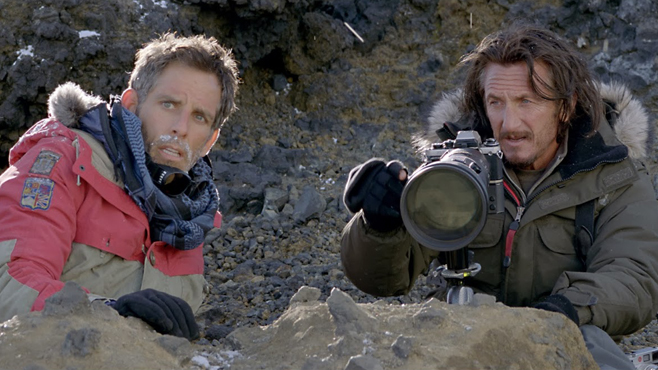
白日夢冒險王從一個平凡無奇的底片資產管理經理(好奇妙的部門)Walter Mitty 的故事開始。這是好萊屋諧星 Ben Stiller 執導的第五部長片,故事內容很簡單,有點瘋狂,卻又緊緊扣住每一個為生活忙碌,因為現實不得不放棄夢想的妳我她。九十分鐘內,我看到了 Ben Stiller 成熟穩重許多的幽默,更令我印象深刻的,是鏡頭從紐約、格林蘭、冰島到喜馬拉雅山,導演藉由最宏偉的自然美景,帶領我們一起感受主角從開始勇敢冒險,到享受當下的微妙轉變。


因為現實面放棄的夢想

Walter 是一個認真負責的上班族。在生活(Life) 雜誌管理上百萬張底片,處理繁瑣的曝光步驟確保作品的展現,著手世界上最美的各種風景照,卻從來沒有真正的旅遊過。這樣的生活態度跟公司的核心價值:

To see the world, things dangerous to come to, to see behind walls, draw closer, to find each other and to feel.

That is the purpose of life.

開拓視野,看見世界,貼近彼此,感受生活,這就生活的目的。

恰好相反。

但隨著故事發展,我們才發現,看似中規中矩的男主角也曾經叛逆過。只是和許多人一樣,因為現實、因為養家活口的壓力,因為對家人的責任,他無奈地放棄了夢想。

許多「踏實」的社會人又何嘗不是呢?

可以真正放下一切逐夢的人少之又少。當社會一窩蜂的鼓勵勇敢逐夢的同時,我老覺得應該要加個前提:先充分瞭解自己的資源跟風險因素。先蹲馬步,人生需要在某些階段先累積資源,雖然不是絕對, 但當時機真的來臨,真的有機會去逐夢時,卻可能因為沒有經過這段醞釀,心有未逮。熱情若是沒有經過挫折和磨鍊,最終是沒有價值的。


台灣出生的法國料理廚師江振誠 André Chiang,以自己法國名字為名的法國餐廳首次榮登全球前 50 名最佳餐廳。他在自傳《初心》中說:

台灣年輕人不論在抗壓性、語言能力、創意或精準度上,甚至基礎學習表現都漸趨落後,逐漸失去與世界競爭的能力。很多人在飯店或餐廳做了幾年,就以為自己把技術全學會,自信滿滿地出來開餐廳當老闆。事實上,這些人本身的技術或心智都未臻成熟,是沒有辦法展現純熟技巧做出成熟料理的。因此台灣的餐廳雖多,但餐飲產業與料理文化不上不下,始終無法發展出在世界舞台上立足的出眾風格與地位,我認為這是台灣整體餐飲產業所面臨到的最大瓶頸 。


說得是餐飲業,但是替換到其他產業工作不也是如此?

想要逐夢的第一步應該是學會接受這些重複又平凡的小事,且放下身段的把小事做好。


把小事做好

大部份的我們(的工作)都很平凡。這也是這部電影很特別的地方- 男主角很平凡也認份的平凡。平凡到男主角常常做白日夢來實現他心中壓抑的行動力。偏偏,長期合作的知名攝影師 Sean 指定的最後一刊要用的 25 號底片不見了。 Walter 因此展開了連他自己都沒想到的冒險 – 去找這位神龍不見首尾的 Sean 要底片。

Secret Life of Walter Mitty

Secret Life of Walter Mitty

整片由一首老歌貫穿 – Ground control to Major Tom

這首歌源自於 David Bowie 的 69 經典單曲 Space Oddity,寫在阿波羅11 號升空前,牽動著美國七零年代征服太空的大環境氛圍。鼓勵人們勇敢踏向未知,但也帶著淡淡的哀傷。

歌詞描述即將出發的湯姆上尉,他完成了一個壯舉,其中最動人的莫過於 Major Tom 回應了地面控制中心的呼喊,彷彿重生般的,說 This is Major Tom to ground control

巧妙的呼應了在格林蘭酒吧內,好不容易找到了線索,卻望著海上直升機躊躇不前的 Walter 心情。

最後 Walter 鼓起勇氣跳上了前往可能有  Sean 蹤跡的直升機。

從這一秒開始,Walter 的工作才因為得上山下海顯得好像不那麼平凡。但真的如此嗎?一份工作的平凡與否又該怎麼定義呢?堅守崗位又樂在其中?還是無法取代?

我倒覺得,或許我們可以用「專注」來下新定義。

要先專注,才能追求卓越。

現今社會演變,使得專注力成為越來越稀有的特質,我們有意無意之間,都在鼓勵一心多用。但在許多真正專業的工作,越專注於一件事情的特質,才可能有更好的表現。Walter 面對他這份看似平凡的工作,展現的正是不平凡的專注力。他單純地想把每一張交到他手上的照片好好展現,因為這樣的專注讓他在工作出現狀況時候,即便猶豫,還是起而行。冒險結束後, Walter 朋友問他最近還有放空做白日夢的毛病嗎? Walter 笑笑的說:「好像沒有了。」知易行難。原來開始執行後,白日夢便少了。

當然人生依舊不是電影,要上山下海追底片的機會恐怕只跟中樂透頭彩差不多,但是下次在工作出現狀況時候,當我們發現自己不顧一切也想要解決這個狀況時候,或是讓品質更好的時候,或許那樣的專注,正是引導我們走向不平凡的路上。


當你有工作上的知己

本身氣質就放蕩不羈的西恩潘飾演世界知名攝影師 Sean ,時常旅行、藝術家個性的難以連絡的到。照理說四處旅行的他,和成天在大企業的暗房朝九晚五的 Walter 沒有見面、甚至成為朋友的可能。

但對工作同樣熱愛堅持的他們,透過每期封面雜誌的合作,建立起 16 年的信任。

這樣的欣賞往往不分距離,也不需要費時經營,因為兩個人都用力用心地將事情做到最好。也因為對工作品質的堅持,吸引到意想不到的貴人或是新夥伴助手。很多人說出了社會很難再教到真正的朋友。的確,每天吃中飯或應酬的朋友,就算一起趕專案、罵老闆都不足以建立出當年在校園中純厚的情誼。

但是出社會後可以找到惺惺相惜的工作知己。

而專注是個強而有力的橋梁,在累積自己的實力同時也吸引同樣對工作品質堅持的人,這些人更會因為價值觀相似,願意放下自己的出發點來合作。常常有人說怎麼那些強者都彼此認識,不是因為他們靠關係,而是因為他們的專注,讓大家互相欣賞。


保存舊有價值和產業

片中的雜誌社面臨併購後裁員的困境,還有現在常見的去除紙本、讓「產業線上化」的過程。

我對舊有的傳承有份特殊感情,電影中 Walter 走過雜誌社懸掛一個個大型封面的走廊時,那份公司迫於現實,因為董事會決定被迫轉型而將數十年歷史拋下的無奈,在我心中久久醞釀不去。這部電影看得出導演想對舊有價值觀的致敬 –  從西恩潘飾演的事必親躬的戰地記者來悼念不復存的記者精神,到用美國知名報社人Henry Luce 領軍下的 Life 雜誌,來對紙本媒體衰哀的舉杯。

Life 雜誌在 20 世紀的美國獨領風騷,印量更曾創下每週一千三百萬份的驚人數字。 Luce 在 1936 年買下 Life,強調攝影新聞 (photojournalism) ,至今還留下許多見證歷史時刻的封面照,因 Life 雜誌記者勇於親上前線。 封面紀錄了戰爭前線的觸目驚心、當時社會的變遷,更見證了當年風華絕代的賈桂林甘迺迪和玉婆伊利莎白泰勒等人。

如果你說 Walter 的生活太過電影情節,我想起了美國的書本設計師 – Chip Kidd。

Chip 是柯諾夫出版社(Knopf Publishing)的藝術總監,他把生命中的 25 年奉獻給了書封設計,有無數經典作品,包括了侏羅紀公園 Logo 以及村上春樹《1Q84》美版的書面設計,時代雜誌更整理了他的15本經典封面,他對書本和設計的熱情以及專注讓他的書封獨樹一格,甚至有人會說,只要看到一本書,你就知道他是不是 Chip Kidd 設計的,書封不僅描述了書本的內容也表現了他的個性,如同他在 TED 的演講:


電子書有很多好處,輕巧、方便、易於攜帶,但就是少了些東西,傳統、感官刺激、物質存在的安心感-還有一點點的人性


科技在進步,世界在改變沒有錯,但是不需要這麼快地放下價值的傳統體現方式,沒有這些歷史和舊有價值,所謂的現代價值彷彿是蓋在沒有地基,漂亮卻容易崩塌的樓層。

有時候緩慢的步伐,反而可以將最珍貴的文化價值保存起來,慢慢演化和探索新的可能。人生有很多事情需要效率,偏偏文化是用時間釀的一瓶好酒,一瓶需要人性和價值觀來一起釀造的好酒。


--
Best,
Hongwei

How to embeded all fonts into pdf to produce a IEEE allowed camera ready version

Usually the font produced by Matlab "Helvetica" is not embeded which
will lead to the problem --- the IEEE publisher will require you to
embed all the fonts into pdf.

How to check that?

File -> properties -> Fonts
You will see each font and if there is a "(Embeded subsets)" in the
end of the fonts, that means it is embeded, else it is not. Usually if
you use pdflatex, the figures you preduced from Matlab will have
Helvetica Font, but it is usually not embeded.

The way to get rid of this:
1) Similar to http://lvb.wiwi.hu-berlin.de/doc/embedfonts.pdf
We just use the Adobe PDF pro or Acrobat 7.0 professional etc.
What I did is in the SCF machine(Mac OS), which installed the Adobe
PDF Pro, then save to Adobe PDF..., and then choose to convert, and
launch Adobe PDF pro afterwards. I guess the last step is not
neccessary.

2) https://sites.google.com/site/xyzliwen/resource/embed_font_ieee_pdf_explore,
But I haven't use this trick, which I didn't have gswin32. And this is
a very tedious method, though better than other methods.